As of: For: anyone curious about humanoid robots and AI By Alex Klett · Klett IT Beratung Reading time approx. 5 minutes
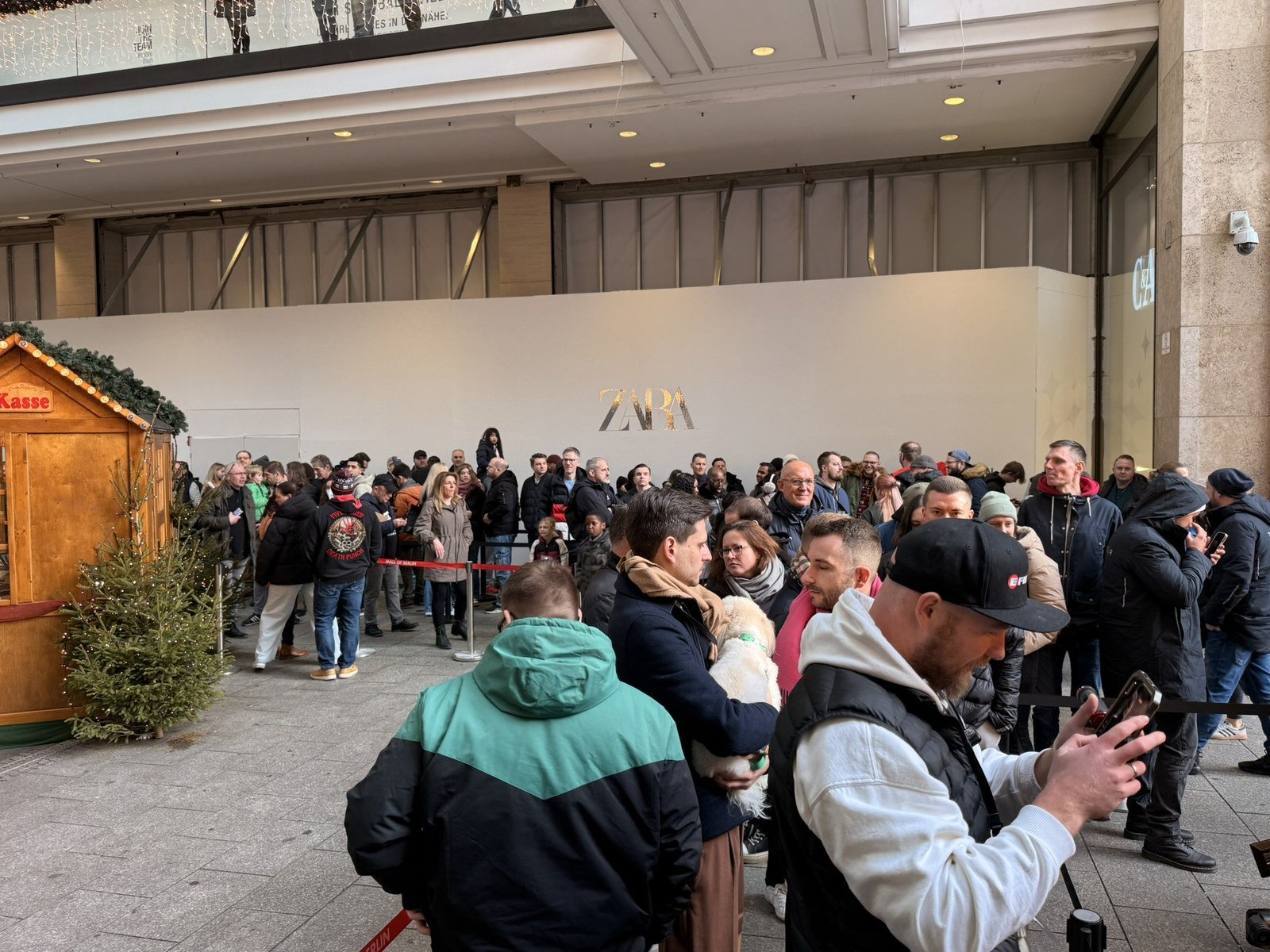
Isn’t it a little crazy to drive almost 1,300 km for something technical? Yes, perhaps a little! But it was clearly worth it.
Tesla‘s humanoid robot Optimus: from factory helper to a potential game changer in the world of work 🤖✨
Tesla’s humanoid robot Optimus could lastingly change the way we think about work, automation and productivity. The project combines state-of-the-art AI, Autopilot technology and robotics in one platform – with the aim of moving from a pure factory helper to a versatile everyday assistant.
What is Tesla Optimus?
Optimus is a human-like robot that is meant to take on “boring, repetitive and dangerous” tasks – first in factories, later in other areas as well. Tesla uses the same AI stack as for Autopilot and FSD, so that perception, navigation and decision-making continually learn from real-world data.
Technical highlights
- Sensitive, highly mobile hands that can even grasp a fragile object such as an egg safely 🥚.
- AI-controlled motor skills that continually improve balance, dexterity and motion planning.
- Increasingly natural walking and turning movements, thanks to ongoing updates and training data from the real world.
AI in a body: more than just a robot
Optimus is a physical platform for artificial intelligence – from autonomous navigation to dialogue in natural language. Through the integration of large language models (for example Grok from xAI), the robot is meant to understand tasks, ask follow-up questions and process complex contexts. 🧠
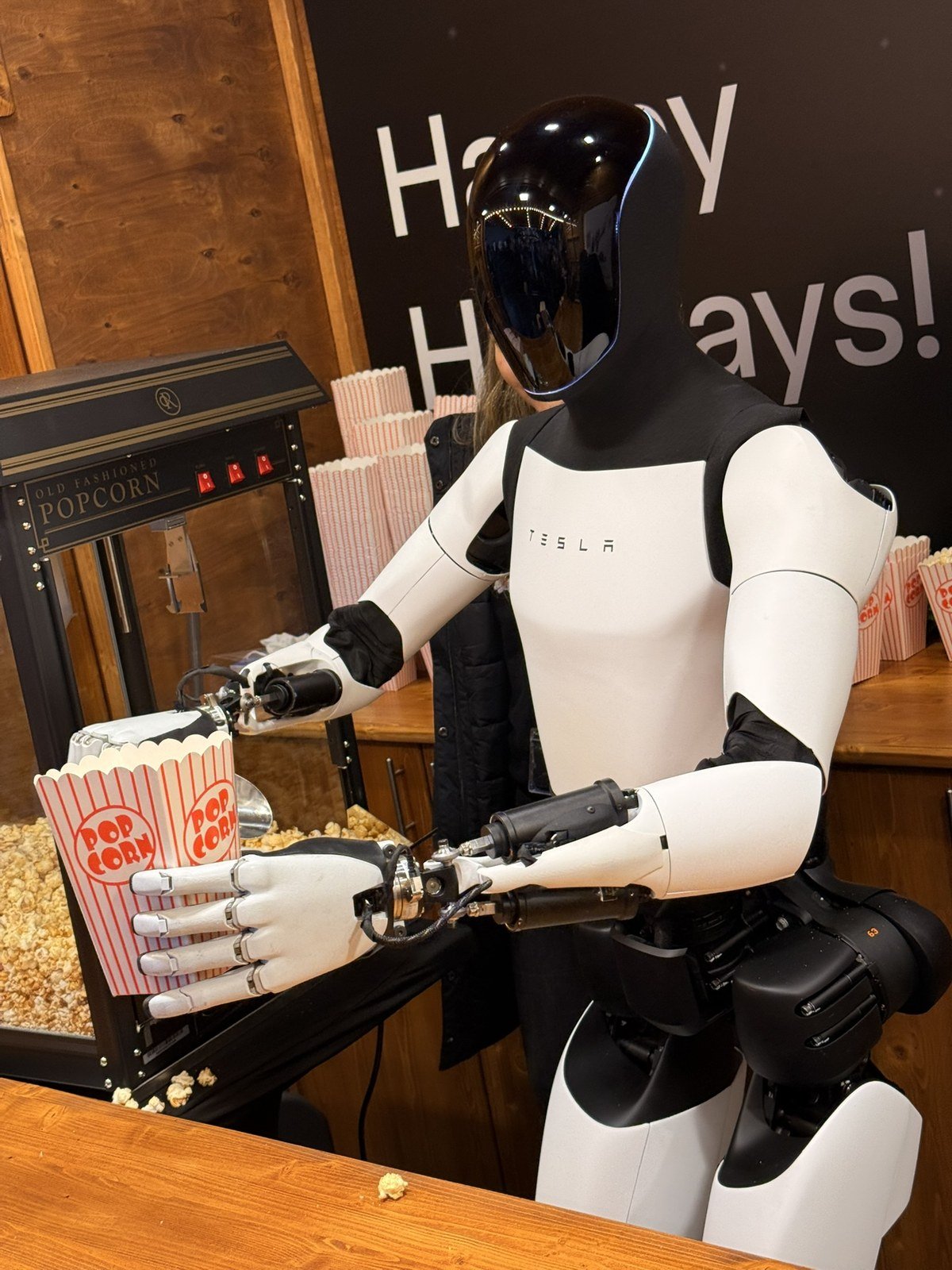
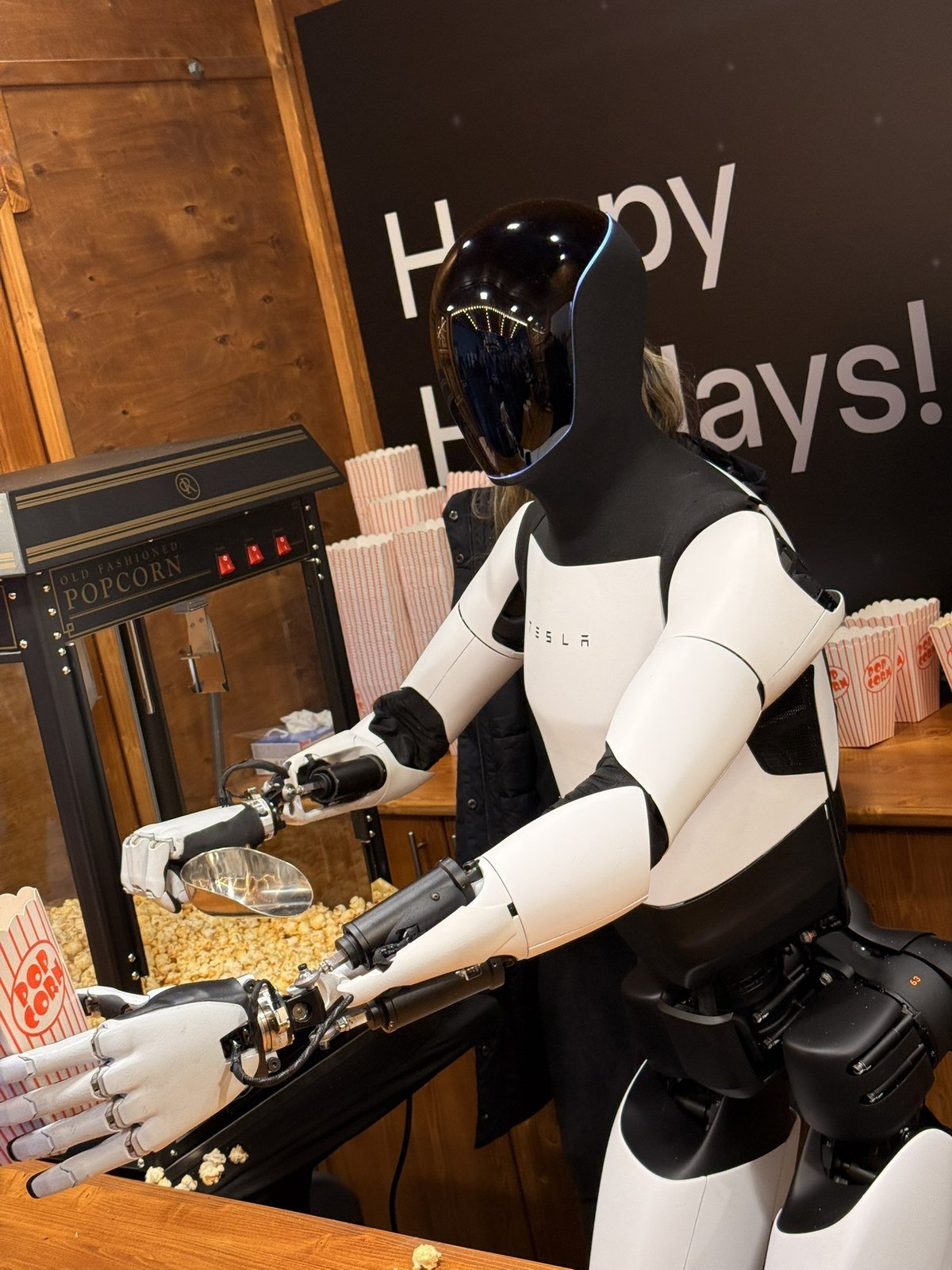
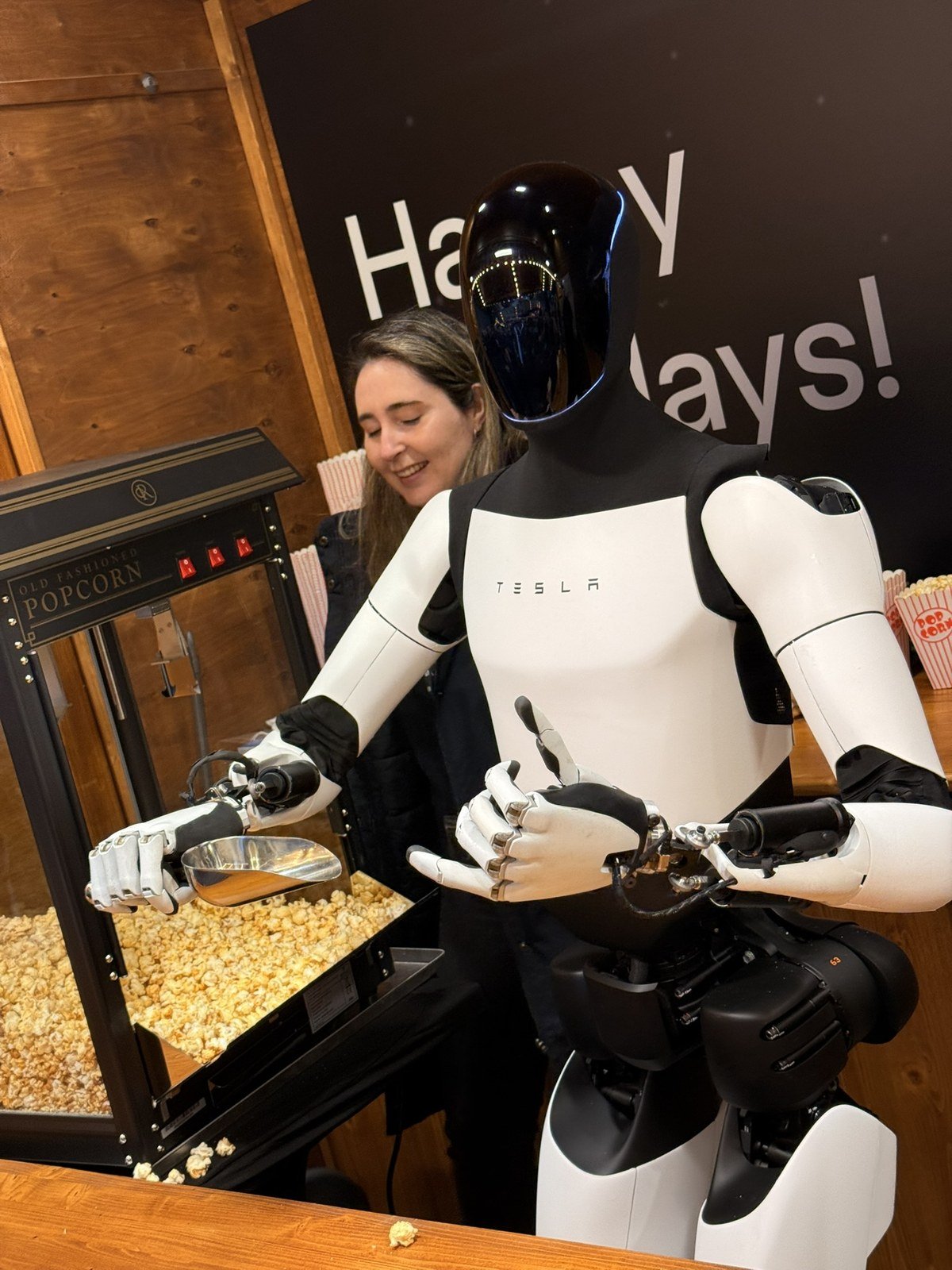
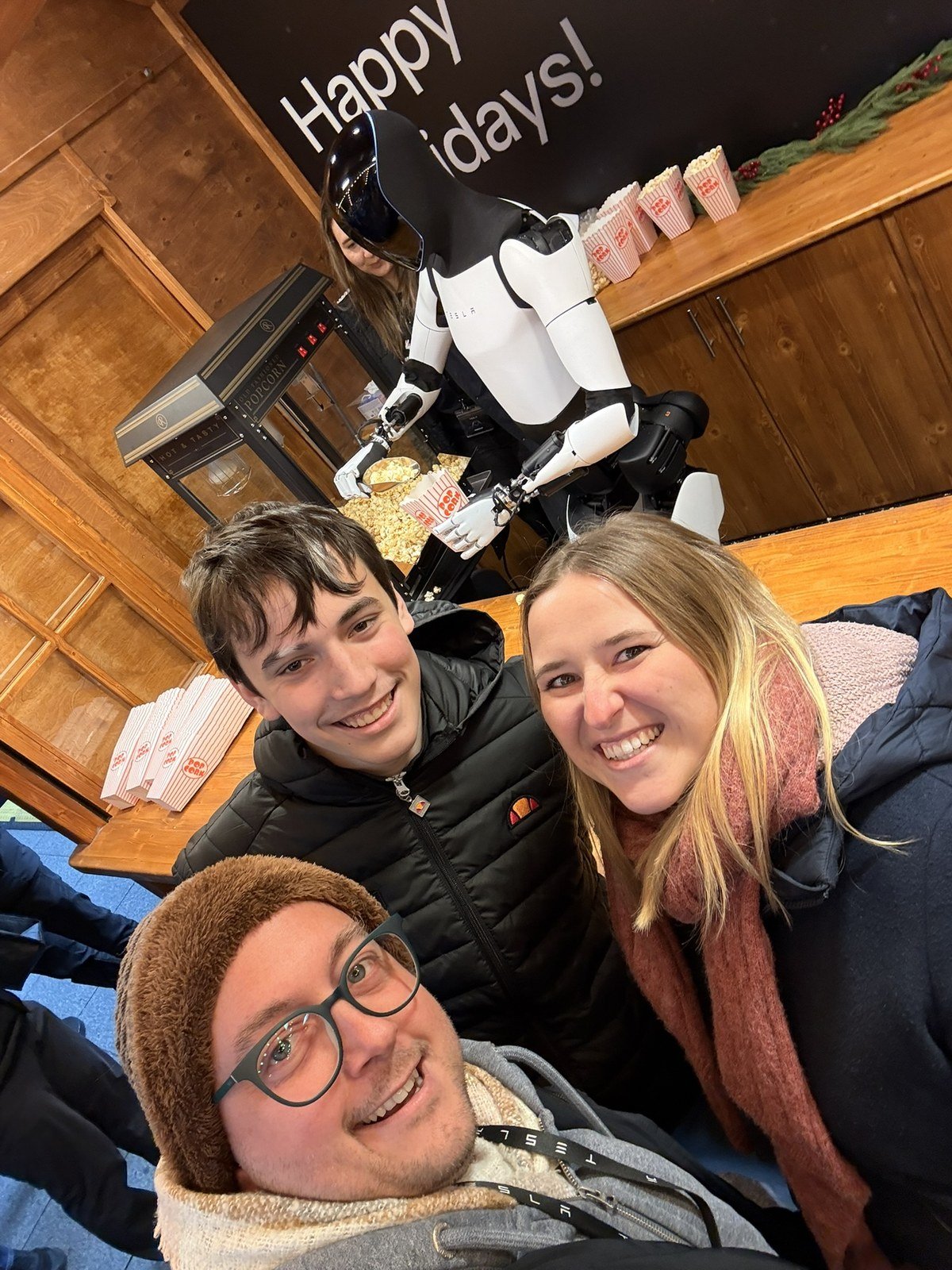
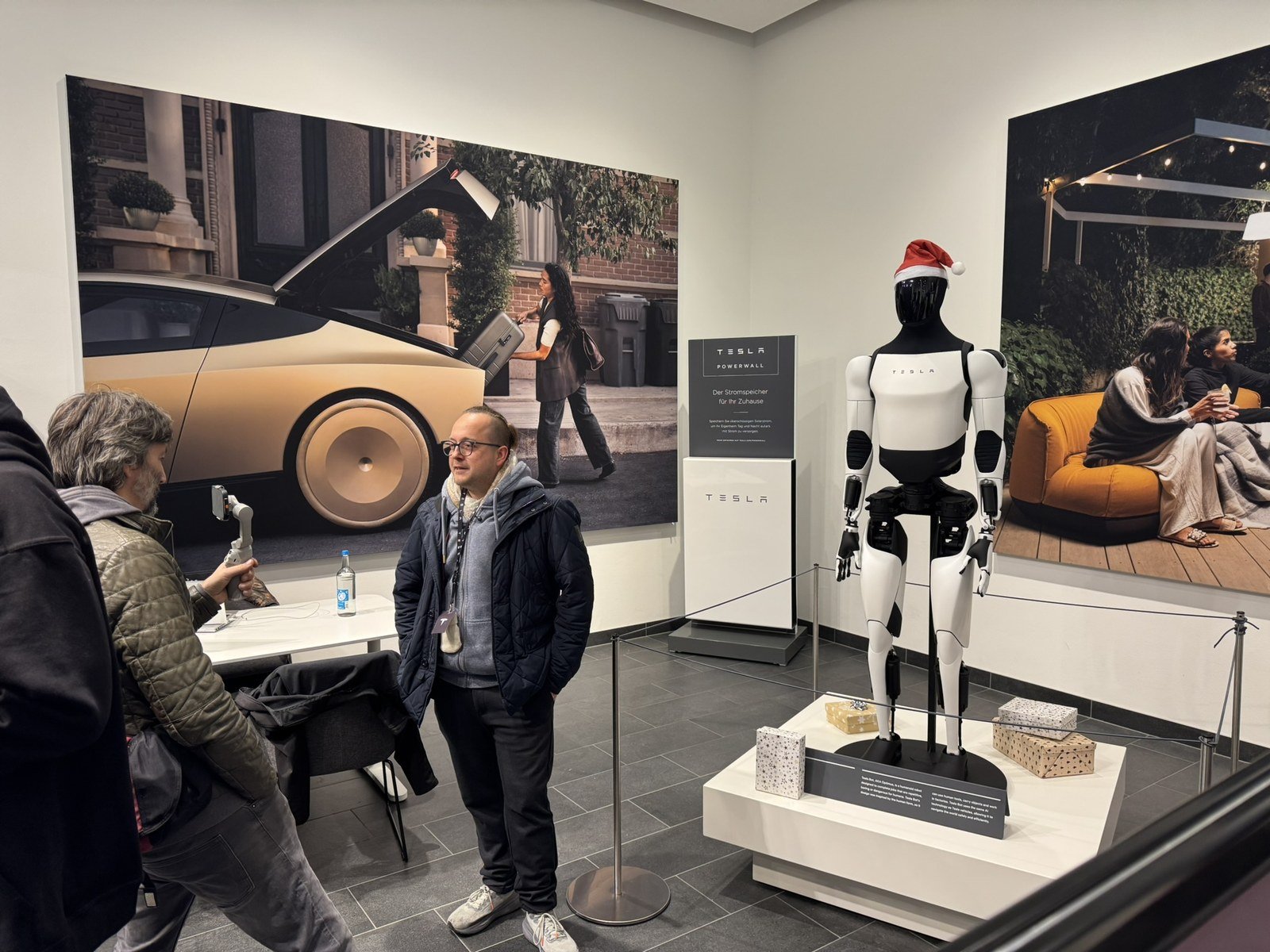
Use today and tomorrow
In the short term: use in Tesla factories for monotonous, physically demanding activities (logistics, simple assembly, material flow).
In the medium term: use in companies outside Tesla, and later potentially in households, services and care.
Vision: millions of robots, a price under 20,000 dollars
Tesla is thinking in terms of large economies of scale: in the longer term, millions of Optimus units are meant to be produced each year – with a target price of under 20,000 US dollars per robot. If that succeeds, humanoid robots could become a new “standard workforce” – and companies would have to rethink their organisational models completely. 🚀
I am curious to see what comes next; perhaps one day it will also be possible to experience the robots from NEURA Robotics live! 😀
👉 Feel free to join the discussion on LinkedIn!
Frequently asked questions
What is Tesla Optimus?
Optimus is a human-like robot from Tesla that is meant to take on “boring, repetitive and dangerous” tasks, first in factories, later in other areas as well. Tesla uses the same AI stack as for Autopilot and FSD.
What can Optimus do technically?
Optimus has sensitive, highly mobile hands that can even grasp an egg safely. Balance, dexterity and motion planning are continually improved under AI control. Through large language models such as Grok from xAI, the robot is meant to understand tasks and ask follow-up questions.
Where is Optimus meant to be used?
In the short term in Tesla factories for monotonous, physically demanding activities such as logistics, simple assembly and material flow. In the medium term in companies outside Tesla, and later potentially in households, services and care.
What is Optimus meant to cost?
In the longer term, millions of Optimus units are meant to be produced each year, with a target price of under 20,000 US dollars per robot.
✨ Curated and generated with AI, finalized by a human ❤️